Keeping your car clean goes beyond just washing the exterior or tidying the seats. The condition of car floor mats plays a crucial role in maintaining your vehicle’s interior comfort, hygiene, and overall value, especially across diverse Australian climates. From dusty outback roads to wet, muddy urban commutes, your mats take the brunt of dirt, grit, and spills. Understanding the best practices for effective cleaning and maintenance is essential to prolong their lifespan and ensure a pleasant driving experience. This guide unfolds expert floor mat cleaning methods tailored to Australian conditions, showcasing techniques for all mat types and sharing key cleaning tips to tackle stains and dirt stubbornly clinging to your vehicle’s footwell.
In brief:
- Car floor mats protect your vehicle’s carpeting from dirt, moisture, and wear caused by Australian weather conditions.
- Cleaning approaches vary widely depending on the mat material, whether rubber, carpeted, or vinyl.
- Regular maintenance, including vacuuming, scrubbing, and drying, stops bacteria, mould, and foul odors from developing.
- Seasonal rotation of mats enhances their durability, switching between all-weather mats and carpeted ones according to weather changes.
- Stubborn stains like oil, salt, or pet hair require specialised stain removal methods for optimal results.
- Using pH-neutral and car-safe products preserves mat integrity, avoiding premature wear.
- Replacing mats when worn maintains interior aesthetics, comfort, and vehicle resale value.
- Rental car users benefit from understanding mat care to avoid charges and support environmentally friendly travel.
Understanding the Types of Car Floor Mats Common in Australia
The choice of car mats in Australia reflects the demand for functionality and style suited to the country’s varied environments. Before diving into cleaning, recognising your mat type is a crucial first step for tailored car maintenance and cleaning tips. Australian roads expose vehicles to dust storms in the desert, salty coastal air, rainy seasons in the tropics, and snowy highlands — all requiring different protections.
Rubber and all-weather mats are widely favoured by Australians driving in rugged terrain or experiencing wet weather, including throughout Tasmania or the northern rainforests. Designed for durability, these mats resist mud, snow, and water, featuring deep grooves that trap dirt and moisture effectively. Their robust nature makes them easy to clean but requires caution so they don’t warp when exposed to high temperatures or harsh chemicals.
Carpeted mats, often found in urban sedans or premium vehicles, offer a plush and refined touch with materials such as nylon or polyester. While they boost aesthetic appeal and comfort, maintaining their pristine condition demands more frequent and delicate care to combat stains, dirt accumulation, and odors.
Vinyl or thermoplastic mats strike a balance between rubber and carpeted mats. Custom molded for a snug fit, they are a frequent feature in luxury cars and provide a sleek appearance while remaining easy to clean. These mats cater well to Australian drivers who want protection without sacrificing style.
For drivers accustomed to outdoor and sporting activities, aftermarket liners with edge-to-edge coverage have gained popularity, addressing the challenge of sand, mud, and debris infiltrating interiors. For detailed guidance on these mat types and protective solutions tailored for Australian vehicles, resources like comprehensive all-weather mat guides offer valuable insights.
Step-by-Step Effective Cleaning of Rubber and Vinyl Car Floor Mats
Rubber or vinyl mats are the frontline defence against Australia’s dirt and wet conditions, making them the easiest to maintain with the right approach. This durability translates into straightforward cleaning tips focusing on dirt removal and stain prevention.
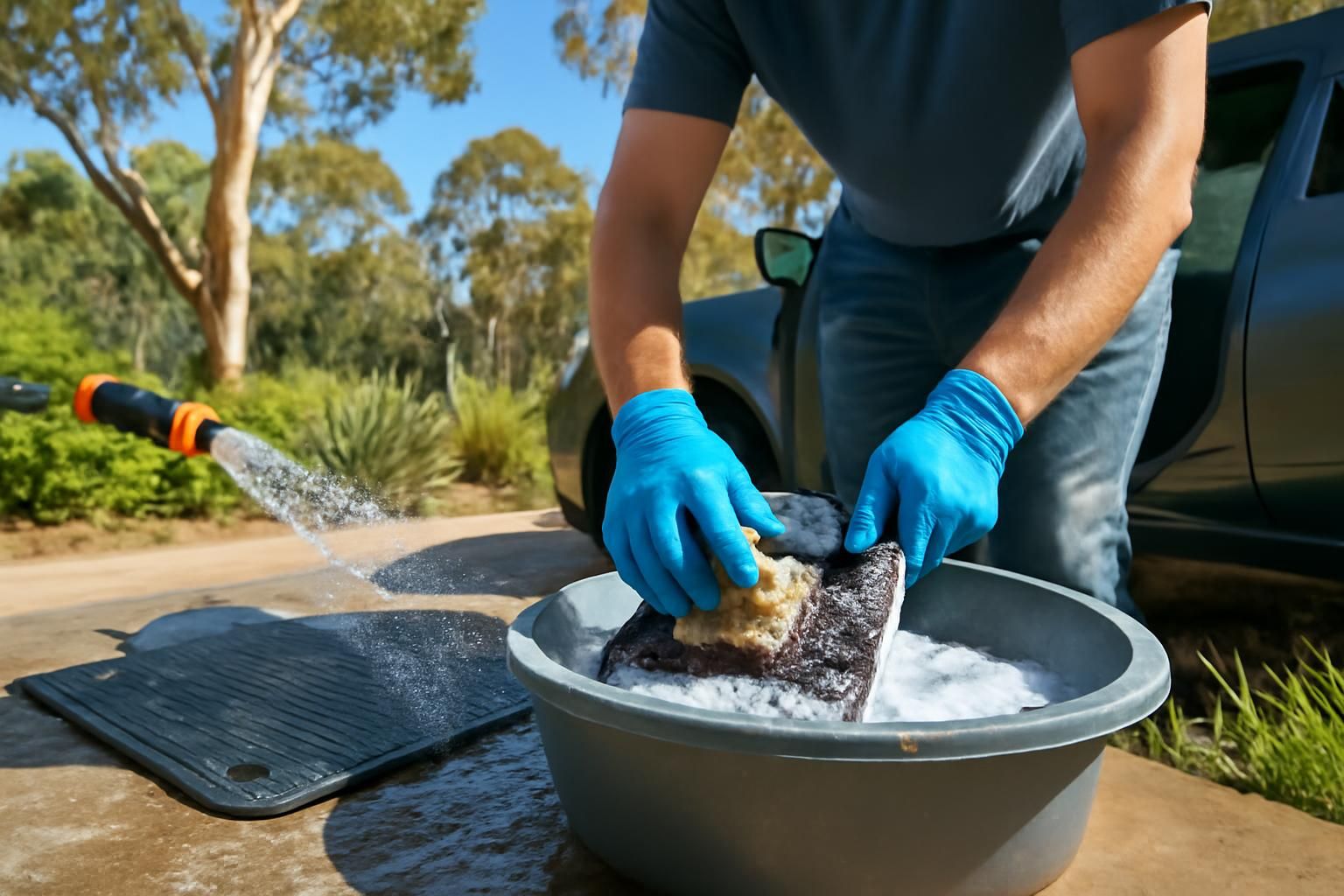
1. Remove and shake off debris: Always take mats out of the car to prevent spills inside the vehicle. Shake vigorously or tap them against a firm surface to dislodge loose dirt, sand, and pebbles embedded in grooves.
2. Hose down thoroughly: Use a garden hose or a high-pressure nozzle to rinse away surface grime. It’s important to use cool or lukewarm water, as hot water can deform rubber mats.
3. Apply soap and scrub: Prepare a mix of mild degreasing soap or specialized cleaning products designed for car mats. Work the solution into grooves and textured surfaces with a stiff-bristled brush to loosen dried mud and oils.
4. Rinse fully: Ensure that all soap residue and loosened debris are washed away thoroughly for optimal floor mat cleaning.
5. Dry completely: Position mats upright and allow them to air dry naturally. Direct sunlight aids this process, but avoid re-installing mats while damp to prevent unwelcome mildew or musty smells inside the cabin.
Such a regimen, when done regularly, significantly enhances mat performance and longevity. For further detailed cleaning strategies tailored to the needs of Australian drivers, articles such as expert recommendations on washing car mats provide additional methods to achieve a deep clean.
Mastering the Cleaning of Carpeted Car Floor Mats for Australian Conditions
Carpeted mats, while visually appealing, pose more challenges for stain removal and maintaining fresher interiors in Australia’s harsh environments. Urban drivers, especially, must contend with dust, food crumbs, and moisture that cultivate bacteria or mould if left unchecked.
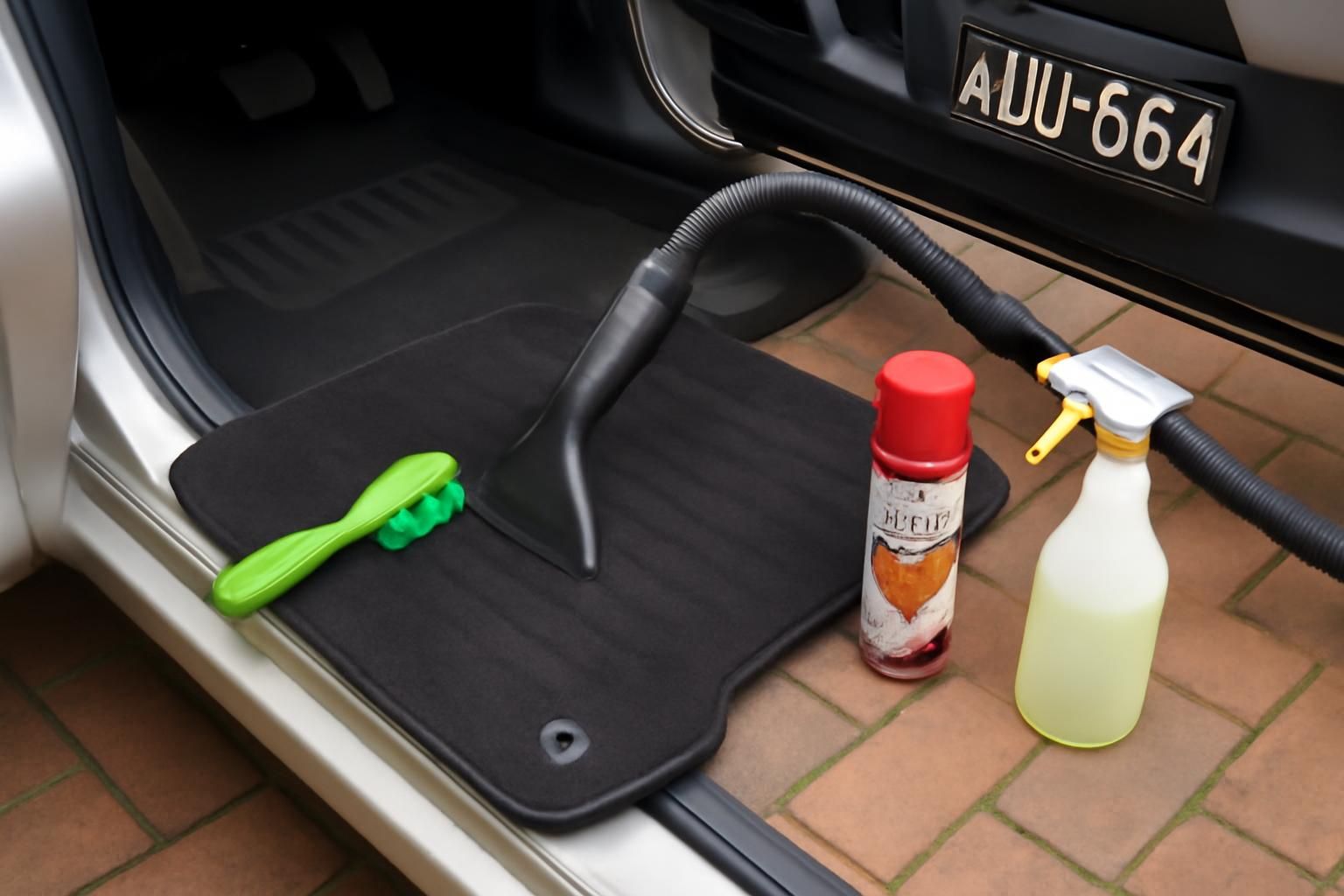
1. Vacuum extensively: Use a handheld vacuum or one designed for vehicles to remove loose dirt, dust, and pet hair. This pre-cleans the surface, allowing deeper cleaning to work more effectively.
2. Apply carpet or upholstery shampoo: Choose a foam or liquid cleaner suited for automotive carpets. Spray evenly on the mat and wait several minutes for the solution to penetrate dirt particles deeply lodged within fibres.
3. Gentle scrubbing: Use a soft or medium bristle brush to agitate the shampoo into the nap without fraying or damaging carpet fibers — a delicate process especially vital for maintaining carpeted mats’ lush appearance.
4. Optional rinsing or steam cleaning: If mats are water-safe, rinsing outdoors or employing a steam cleaner can significantly enhance dirt extraction. Steam cleaning is especially beneficial to sanitize and remove odorous agents embedded deep in carpets.
5. Patience in drying: Australian climates vary widely, so drying times can differ. Aim to air dry mats outside but sheltered from rain for at least 24 hours to avoid moisture build-up, which causes mildew.
6. Combat persistent odors: For residual odors trapped in carpet fibres, sprinkle baking soda and leave overnight before vacuuming away. This natural deodorizer is effective and gentle.
Adhering to this routine not only keeps mats looking good but significantly contributes to a healthier in-car environment. For more advanced care techniques, professional cleaning guides share valuable tips used by experts focusing on stain prevention and deep cleaning.
The Role of Seasonal Mat Rotation in Extending Mat Lifespan
One of the best-kept secrets to prolonging the life of your car mats in Australia is implementing a seasonal rotation system. Weather and road conditions vary drastically across the country — from the metropolitan wet seasons to the dry dust storms in the interior. This practice tailors mat use to the prevailing conditions, preserving material integrity and keeping your vehicle’s interior fresh.
Winter and wet seasons: Use heavy-duty rubber or vinyl mats to shield the cabin from wet mud, salt, and debris. These mats are designed to resist water and prevent slipping on damp surfaces, essential for safe Australian winter driving.
Summer and dry seasons: Switch to carpeted mats that add comfort and style. These mats breathe better and are less prone to sweat and moisture accumulation, enhancing ventilation and comfort during hotter months.
Benefits of mat rotation:
- Prevents excessive wear to any single set of mats
- Maintains mat appearance and smell throughout the year
- Reduces salt and moisture damage during harsh weather
- Enhances the overall aesthetic and comfort of your car
This simple yet effective method equips you to face every driving season with mats suited to the environmental challenges of Australian roads. For an in-depth understanding of the best practices surrounding seasonal use and mat choice, check out resources on mat cleaning routines for Aussie drivers.
Advanced Techniques for Removing Tough Stains and Odours from Car Mats
Despite regular cleaning, some stains and smells can resist the usual care, especially after trips through dusty outbacks or coastal roads with salt deposits. Addressing these stubborn issues requires specialised treatment methods for effective dirt and stain removal while preserving your mat’s material.
Grease and oil stains: These are common due to accidental spills or workshop visits. Use a degreaser or diluted dish soap applied directly to the stain. Avoid harsh solvents like acetone, which can degrade rubber or carpet fibres. Let the solution sit before gently scrubbing and rinsing thoroughly.
Salt residue buildup: Often appearing as white crusts after road salt exposure during winter or near coastal areas, salt can deteriorate mats over time. A mixture of vinegar and water applied carefully dissolves salt deposits without harming the material.
Mould and mildew: Damp Australian conditions can promote mold growth on mats, especially if not dried properly. Sprinkle baking soda and allow it to absorb moisture and odor before vacuuming. Persistent mold might require antifungal carpet cleaning products.
Pet hair removal: For pet owners, accumulating hair can be frustrating. Wearing a rubber glove or using a rubber squeegee to gather hair strands before vacuuming is highly effective.
Implementing these specialised treatments ensures that even the most resistant dirt or odors do not compromise your vehicle’s interior cleanliness. To explore professional-grade cleaning and protection techniques, visit tips for car floor mat cleaning.
Choosing the Right Cleaning Products for Your Car Floor Mats
The decision of which cleaning products to use is pivotal in sustaining the quality of mats in the long run. Australia’s sun and temperature swings can weaken mat materials when attacked by harsh chemicals or abrasive products. To preserve your mats effectively, it’s best to opt for car-specific cleaners designed with gentle yet thorough formulations.
Safe cleaning options include:
- pH-neutral detergents specially formulated for automotive interiors
- Mild degreasers appropriate for rubber and vinyl mats
- Foam carpet cleaners or upholstery shampoos for delicate carpeted mats
- Natural alternatives like baking soda for odor control and light cleaning
It’s crucial to avoid harsh chemicals such as bleach, acetone, or alkaline-based cleaners that can cause dry cracking or fading. Instead, a blend of hot water and dish soap often provides excellent cleaning power without damaging rubber components.
Retaining mat flexibility and comfort reduces the frequency of replacement, saving costs and effort over time. By choosing the right products and following recommended routines, you contribute to sustainable car upkeep. More information and product recommendations can be accessed through automotive care product guides.
Recognizing When to Replace Car Floor Mats for Maximum Benefit
Even with conscientious care, car floor mats have a finite lifetime impacted by climate exposure, usage intensity, and material quality. Knowing when to replace worn or damaged mats ensures safety, comfort, and maintains your vehicle’s resale value in Australia’s competitive automotive market.
Indicators for replacement include:
- Permanent staining or discoloration that cleaning no longer removes
- Rubber mats showing cracks, brittleness, or peeling where the surface becomes hard and inflexible
- Carpet mats fraying, flattening, or developing holes reducing cushioning and aesthetic appeal
- Mats no longer fitting securely due to warping or shrinking, compromising safety
- Persistent unpleasant odors despite thorough cleaning efforts
When replacements are due, Australian drivers have access to a wide range of options—from custom-fit mats that contour perfectly to their vehicle’s floor, to budget-friendly generic mats offering solid protection. For detailed guidance on acquiring high-quality mats suited for Australian vehicles, explore articles about custom-fit mats and their benefits.
Practical Habits to Prevent Dirt Build-up and Extend Mat Lifespan
While regular cleaning is vital, the best defense against persistent dirt and damage is prevention. Simple adjustments to your habits can significantly reduce the frequency and intensity of mat cleaning sessions, preserving both appearance and hygiene.
Key habits include:
- Removing excess dirt from shoes before entering the vehicle to avoid transferring dust and mud.
- Using boot trays or shoe bags during excursions to contain mess from outdoor activities.
- Vacuuming car interiors regularly to prevent dirt embedding deep into mat fibers.
- Applying protective plastic films during particularly messy seasons like wet summers with heavy rains.
- Avoiding eating inside the vehicle when possible, to reduce crumbs and spills.
By adopting these preventive measures, Aussie drivers foster longer-lasting mat condition and a consistently pleasant car interior. These practical steps complement the cleaning routines described and are an indispensable part of comprehensive car maintenance.
How often should I clean my car floor mats in Australia?
For optimal results and hygiene, clean rubber or vinyl mats every two to four weeks, especially during wet seasons. Carpeted mats benefit from vacuuming weekly with deep cleaning every few months depending on usage.
What cleaning products are safe for rubber car mats?
Use pH-neutral cleaners or mild dish soap mixed with warm water to clean rubber mats. Avoid bleach, acetone, or harsh solvents that can cause cracking and hardening.
Can I use a steam cleaner on carpeted mats?
Yes, steam cleaning is an effective way to deeply sanitize carpeted mats and remove odors. Ensure mats are completely dry afterward to prevent mildew.
How does seasonal rotation of mats help?
Rotating mats seasonally helps prolong their lifespan by using robust rubber mats in wet or muddy conditions and switching to carpeted mats in dry, mild weather. This reduces wear and maintains interior freshness.
When should car floor mats be replaced?
Replace mats when they have permanent stains, cracks in rubber mats, worn carpet fibers, or persistent odors. Properly fitting mats are also a safety aspect to consider when replacing.