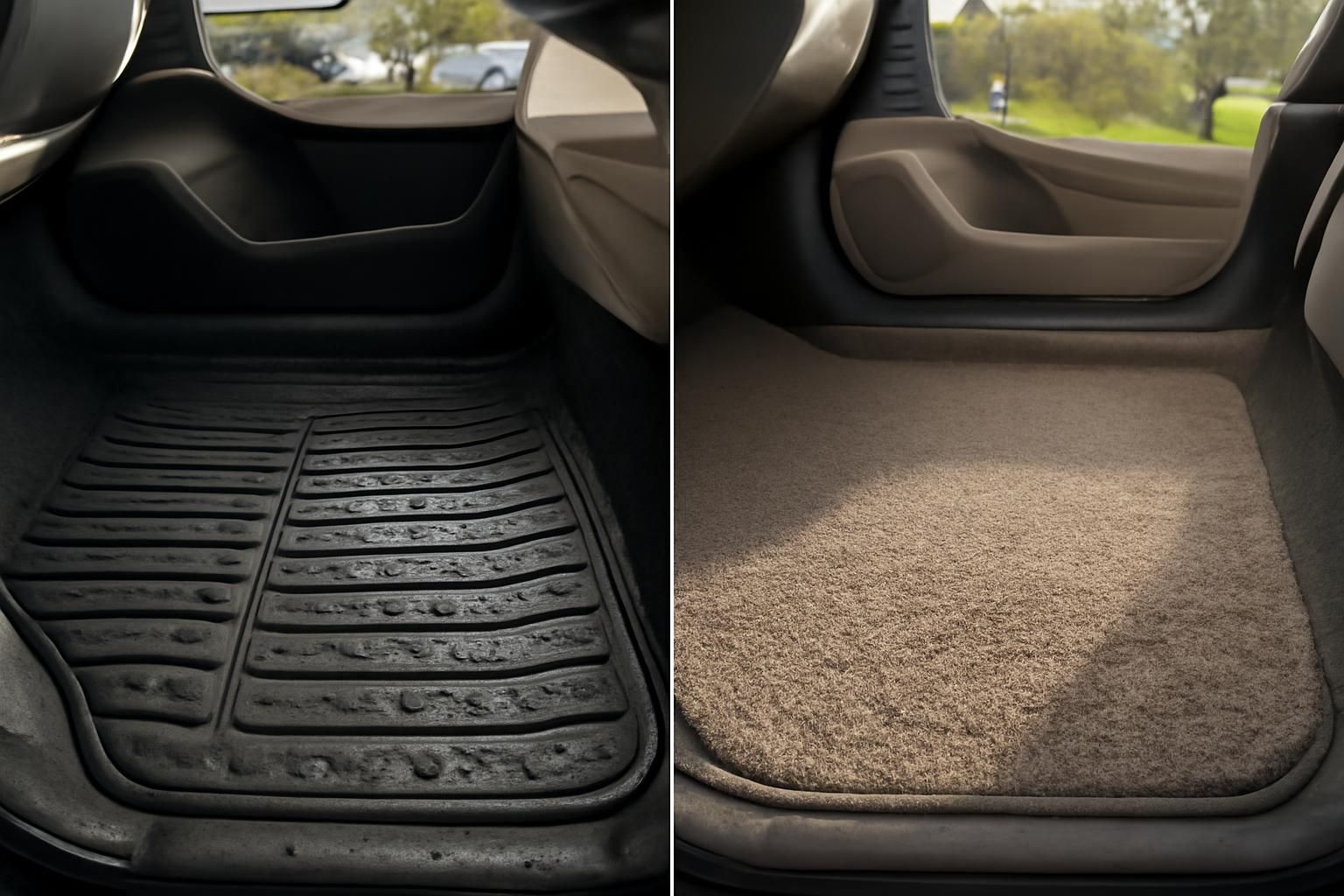
Choosing the right car mats Australia drivers need is more than just a matter of appearance – it’s about protection, durability, and adapting to the unique Australian environment. With a variety of car mats readily available, the decision often boils down to two primary options: rubber car mats and carpet car mats. Each type offers distinct advantages and drawbacks, especially when considering the harsh conditions vehicles face Down Under, from coastal sands to outback dust. The right choice can significantly impact car interior maintenance, ease of cleaning, and overall comfort during daily commutes or adventurous outings.
Understanding the differences between rubber and carpet car mats enables drivers to select products that not only shield their vehicle interiors from mud, spills, and wear but also enhance safety and comfort. Exploring the durability and weather resistance of these mats reveals why rubber options often take precedence in Australia, but carpet mats still hold appeal for certain lifestyles. This article delves deep into the functional qualities, cost comparison, and maintenance tips to help drivers make an informed decision suited to their needs.
In brief:
- Rubber car mats offer superior durability, weather resistance, and mud protection ideal for Australia’s diverse climates.
- Carpet car mats provide a more comfortable and visually appealing option but require higher maintenance and are less resilient.
- Custom fitment and raised edges enhance safety and protection for both mat types.
- Ease of cleaning favors rubber mats due to their simple hose-down cleaning, while carpet mats need more effort.
- Choosing car mats depends on lifestyle factors such as urban commuting, off-road adventures, or tradie work.
- Top Australian brands like Maxliner and WeatherTech cater specifically to local conditions with tailored products.
- Material quality directly influences car mat durability and longevity in extreme heat and rough terrain.
- Maintaining mats regularly prevents odors, preserves vehicle resale value, and keeps interiors looking fresh.
Understanding the Importance of Car Mats in Australian Conditions
The soil beneath your feet matters immensely when it comes to protecting the interior of your vehicle. In Australia, where climate and terrain vary drastically—from dusty outback roads to sandy coastal beaches—the type of car mat you choose directly impacts your car’s cleanliness and condition. Rubber and carpet car mats serve the same fundamental purpose: they keep dirt, mud, sand, and moisture from embedding into your vehicle’s flooring. However, the Australian environment demands mats that can endure harsh UV exposure, temperature fluctuations, and constant wet-dry cycles.
Efficiency in trapping debris and ease of maintenance are vital, as frequent exposure to wet and dry Australian elements can lead to faster wear and tear on car interiors. Effective car mats Australia drivers rely on must also offer safety advantages, such as preventing slippage during driving and ensuring pedals operate unhindered. A mat that shifts or bunches up can pose serious risks, emphasizing the need for proper fitment and secure retention systems.
Quality mats also contribute significantly to the long-term value of your vehicle. Dirt, grit, and moisture cause carpets to degrade, leading to foul odors and sometimes costly repairs. Protecting these surfaces preserves showroom-like conditions, a benefit that resonates with resale values. More importantly, reliable mats reduce the cleaning burden, allowing busy drivers to save time, particularly those who frequently enter their cars with muddy boots or after days spent outdoors.
Based on expert evaluations from sources like Maxliner’s guide on car floor mats for Aussie conditions, modern mats must excel in these key areas: moisture resistance, dirt and sand trap ability, and simple cleaning processes. Rubber mats, often made from materials like thermoplastic elastomers (TPE), meet many of these challenges head-on, while carpet mats offer a softer, albeit more delicate, touch.
Comparing Material Qualities: Rubber vs Carpet Car Mats Australia Demands
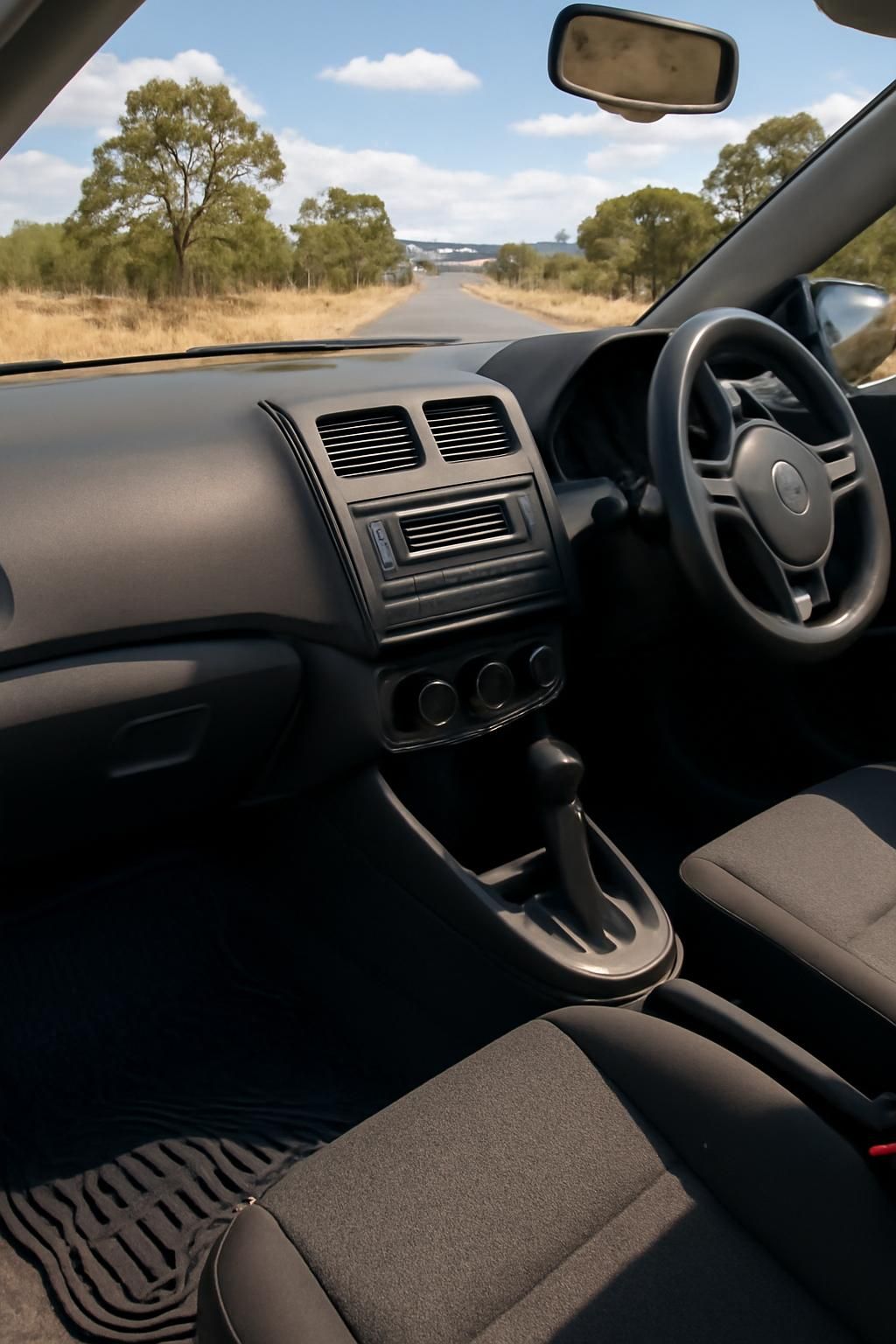
The choice of material influences every aspect of car mat performance. Rubber car mats trump their carpet counterparts in durability and resistance to all manner of weather, making them highly adaptable to Australia’s environment. Composed of dense polymers such as TPE or high-grade rubber, these mats are engineered to withstand extreme temperatures, sun exposure, and physical abrasion.
Rubber car mats also excel in mud protection and ease of cleaning. Their surfaces often include deep ridges or channels that trap debris and prevent it from spreading across your car floor. Cleaning these mats is straightforward – a simple hose down often removes all dirt and grime, with no staining involved. This toughness results in extended lifespan and sustained functionality, even under rigorous conditions such as tradie job sites or beach outings.
On the other hand, carpet car mats provide a more luxurious feel underfoot, enhancing car mat comfort. They also allow for a greater variety of colors, textures, and patterns, blending seamlessly with vehicle interiors designed for aesthetic appeal. However, these benefits come with compromises. Carpet mats absorb moisture and stain more easily. Sand and dirt cling stubbornly to their fibres, making cleaning an intricate process that typically requires vacuuming and deeper washing. Compared to rubber mats, carpet mats tend to wear more quickly in high-traffic areas, especially where driver heel reinforcement is insufficient.
According to detailed comparisons such as those available on Carmats4u’s carpet vs rubber mats analysis, carpet mats are better suited to lighter daily urban use, while rubber mats accommodate rougher lifestyles and climate extremes. In essence, carpet mats suit drivers who prioritise comfort and aesthetics and can commit to regular maintenance, whereas rubber mats are preferred for longer-lasting protection and simplicity.
Custom Fitment and Safety Features for Optimal Protection
Effective car mats are not one-size-fits-all. Custom fitment plays a pivotal role in both safety and interior defense. Australian drivers benefit most from mats precisely tailored to the contours of their specific vehicles, whether they drive popular ute models like the Toyota Hilux or passenger vehicles such as the Mazda 3 or Hyundai i30.
Custom-fit mats ensure that every inch of high-wear areas receives coverage, preventing dirt and liquids from seeping onto carpeted surfaces. They also stay firmly in place thanks to retention clips or non-slip backing, eliminating hazards caused by mats sliding underneath the pedals. These design elements not only improve safety by reducing pedal interference but also provide a tidier, more integrated look.
Raised edges are another important safety and protective feature, preventing spills and mud from cascading off the mat’s surface onto the vehicle floor. In Australian conditions, where sudden rainstorms or muddy terrain are commonplace, raised edge heights of 20 to 30mm are crucial for containing messes and facilitating easier cleanup.
Car mats Australia drivers prefer often include additional driver heel reinforcement. This region of the mat experiences the most friction and benefits from thicker materials or reinforced layers to extend mat life significantly. Such features combine practical protection with enhanced driver comfort and confidence during vehicle use.
Custom mats by brands focused on Australian needs, such as Maxliner, demonstrate how thoughtfully engineered fitment and safety details make a substantial difference day-to-day. For further insights into how fit impacts car mat effectiveness, you can refer to this resource on custom fit in Australian vehicles.
Cost Comparison: Balancing Expense with Long-Term Value
Price is often a factor that influences car mat selection. Rubber car mats tend to be more cost-effective in the long run due to their durability and lower maintenance requirements. Initial costs may vary but typically fall within a moderate price range considering the advantages.
Carpet mats might offer a lower upfront cost for some models, yet their need for more frequent replacement and deeper cleaning can increase lifetime expenses. Additionally, the potential damage to underlying vehicle carpets caused by insufficient protection may lead to costly repairs or replacements, further elevating total ownership costs.
Australian drivers should assess price not only by sticker value but through a broader lens encompassing car mat durability, weather resistance, and maintenance effort. For instance, a durable rubber mat that lasts years and can be cleaned with a simple hose-down ultimately provides better value than cheaper carpet mats requiring intense upkeep.
A quick cost comparison can highlight these trends:
| Type | Typical Price Range (AUD) | Expected Lifespan | Maintenance Frequency | Key Value Aspect |
|---|---|---|---|---|
| Rubber Car Mats | 150 – 400 | 5-10 years | Low (easy hose cleaning) | Durability and ease of cleaning |
| Carpet Car Mats | 100 – 300 | 2-5 years | High (vacuum & shampoo) | Comfort and aesthetic appeal |
Taking into account Australian wear conditions, drivers who often contend with mud, sand, and moisture save significantly over time by investing in high-quality rubber mats designed for all-weather use.
Maintaining Your Car Mats: Best Practices for Longevity
Whatever mat type you choose, regular maintenance is crucial to preserving its protective function. For rubber mats, care involves removing the mats, shaking off debris, and using a garden hose for thorough cleaning. Tough spots can be treated with mild detergents without damaging the material. These mats dry quickly outdoors and are ready for rapid reinstallation.
Carpet mats demand more attention. Drivers should vacuum frequently to remove loose dirt and periodically employ carpet shampoos or steam cleaning to address stains and embedded debris. Keeping mats dry and airing them regularly prevents odors and mold growth.
Maintaining mats properly not only improves hygiene but also extends their lifespan, helping with overall car interior maintenance. Additionally, keeping mats clean supports underfoot grip, reducing slipping hazards while driving.
For a detailed step-by-step cleaning guide tailored to Australian conditions, explore tips in this article on how to clean car floor mats effectively in Australia.
Real-World Use: What Australian Drivers Say About Rubber vs Carpet Mats
Feedback from Australian drivers corroborates the objective benefits of rubber mats in noisy and dusty conditions. Those involved in tradie work, off-road driving, or family excursions report significant reductions in cleaning time combined with enhanced interior protection. Many appreciate how all-weather mats maintain appearance, even in the presence of frequent sand and mud.
Conversely, drivers with simple commuter profiles sometimes opt for carpet mats to enjoy a softer car mat comfort level, acknowledging the trade-off of higher maintenance. Some even combine carpet mats for passenger seats and rubber mats in driver-heavy areas, seeking a compromise.
Key points raised by users include:
- Fitment precision prevents mat movement and protects flooring under high foot traffic.
- Rubber mats resist odours and wear, ideal for wet or sandy environments.
- Carpet mats feel plush but demand more frequent cleaning.
- Longevity tends to favor rubber, especially in rugged or coastal environments.
- The ease of dirt containment lowers stress after trips involving kids, pets, or work sites.
Auto enthusiasts and daily commuters alike often recommend premium custom-fit options for ensuring the best experience in their respective driving conditions.
Popular All-Weather Rubber Mats Suitable for Australian Drivers
Several brands have risen to prominence in the Australian market by offering rubber mats engineered to meet local demands. Noteworthy examples include:
- Maxliner Floor Mats: Specifically designed for Australian vehicles like the Hilux and Ranger, these mats boast high-density TPE construction offering superior weather resistance and raised edges for excellent mud protection.
- Bedrock All-Weather Floor Liners: Australian owned and laser-measured for precision, these TPE mats deliver rugged durability for 4WD owners and touring enthusiasts, tailored for regional and off-road use.
- Sandgrabba Moulded Vinyl Mats: Favored in beach and regional areas, their deep ribbed design captures sand and dirt effortlessly, standing up to job site wear.
- WeatherTech FloorLiner HP: A premium imported choice offering outstanding heat stability, great water containment, and a clean look for urban family vehicles.
You can explore detailed comparisons of these products to match your personal needs on platforms like Katamats’ best car floor mats in Australia guide.
Effective Strategies to Choose the Right Mat for Your Lifestyle
Ultimately, selecting between rubber and carpet car mats depends on your daily driving environment and lifestyle preferences. Consider the following guiding principles:
- If you frequently travel off-road or work on job sites, prioritize all-weather rubber mats with deep channels and raised edges to trap mud and water efficiently.
- For city drivers and families seeking stylish interiors, carpet mats can enhance car mat comfort but prepare for added maintenance routines.
- Consider custom-fit mats to ensure safety and extend protection, especially for drivers facing wet or sandy conditions.
- Evaluate cost versus long-term value, favoring durability and ease of cleaning over lower initial investment.
- Check product warranties and material specifications for heat resistance to suit Australia’s extreme temperature ranges.
Adhering to these guidelines solidifies protection and optimizes vehicle cleanliness, contributing to overall happiness with your car interior upkeep.
Are rubber car mats better than carpet mats for Australian conditions?
Yes, rubber car mats typically offer superior durability, weather resistance, and ease of cleaning, making them better suited to withstand Australian dirt, mud, and climate extremes.
How often should I clean my car mats to maintain them properly?
For rubber mats, a thorough cleaning every few weeks or after heavy use is sufficient. Carpet mats require more frequent vacuuming and periodic shampooing to prevent stains and odours.
Do custom-fit mats really make a difference?
Absolutely. Custom-fit mats provide secure fitment preventing movement, cover all high-wear areas, and typically include raised edges that contain spills better than universal mats.
Which mat type offers the best comfort while driving?
Carpet mats tend to provide a softer, more comfortable feel underfoot, making them appealing for everyday city drivers who prioritize interior aesthetics.
Can rubber mats withstand high heat without warping?
High-quality rubber mats made from materials like TPE and engineered polymers are designed for heat stability and resist cracking or warping even under extreme Australian sun exposure.