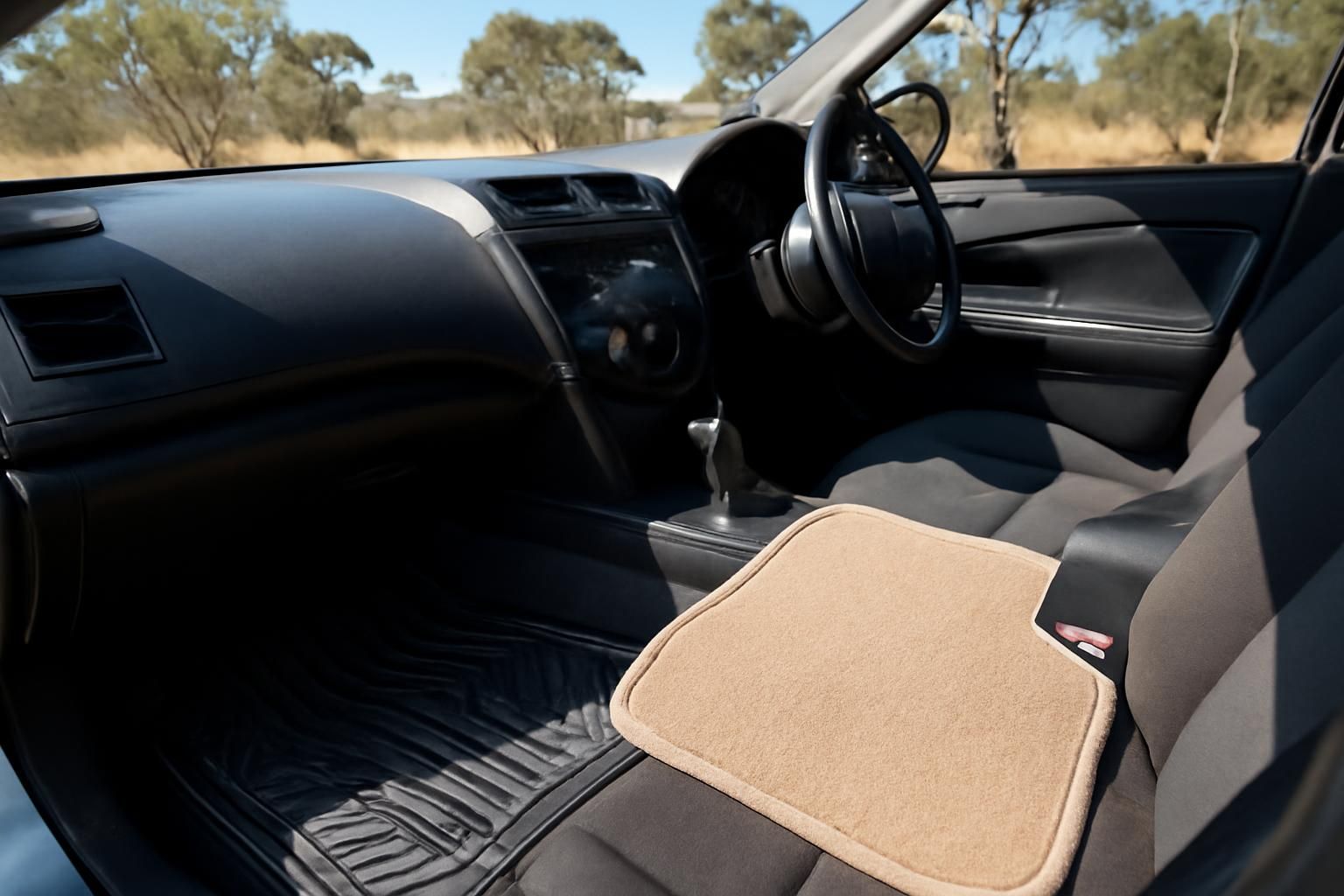
Choosing the right type of car mat in Australia is more than just a matter of style — it’s a practical decision that impacts your vehicle’s interior protection, comfort, and maintenance. Whether traversing the dusty outback, splashing through rainy season puddles, or cruising urban streets, the choice between rubber car mats and carpet car mats will determine how well your car copes with local conditions. This detailed examination reveals the strengths and weaknesses of each option and helps drivers across Australia make an informed choice based on durability, water resistance, cleaning ease, cost effectiveness, and suitability for Australian weather extremes.
In brief:
- Durability: Rubber car mats are superior in withstanding heavy wear, moisture, and Australian harsh weather compared to carpet mats.
- Water Resistance: Rubber mats offer excellent protection against water, mud, and sand — typical in many Australian environments.
- Cleaning Ease: Rubber mats are easier and faster to clean, requiring minimal effort to maintain their protective qualities.
- Comfort and Style: Carpet mats excel at providing a plush, comfortable feel and aesthetic appeal inside the car.
- Weather Suitability: Rubber mats are best for wet, muddy, or sandy conditions, while carpet mats suit dry, urban climates.
Understanding the Differences Between Rubber and Carpet Car Mats in Australia
Car mats serve a simple but vital purpose: to protect the car flooring from soils, liquids, and wear. Australian drivers face diverse challenges — coastal salt, red dust in the outback, tropical rains, or winter mud — which makes the choice of mat especially critical. Rubber and carpet mats represent fundamentally different approaches. Rubber car mats—crafted from durable rubber or advanced TPE (Thermoplastic Elastomer)—prioritize resilience and water containment, ensuring spills and debris don’t seep through to the carpet underneath. In contrast, carpet car mats emphasize comfort and interior aesthetics, typically made of nylon or polyester fibers designed to blend seamlessly with the car’s interior.
The distinct qualities of each material reflect in their performance under Australian conditions. Rubber mats repulse water, mud, sand, and even frost with ease, making them favored for rough terrains and adverse weather. Carpet mats, however, are more suited for drivers who prioritize a soft touch and visual appeal in dryer, city environments.
For an insightful car mat comparison in Australia, exploring the detailed pros and cons of both materials can save money and protect vehicle interiors effectively.
Durability and Longevity under Australian Conditions
When talking about car mat durability, rubber mats emerge as the champions, especially in the Australian climate characterized by harsh sunlight, heavy rains, and a wide temperature range. Rubber mats are inherently resistant to cracking, fading, and deformation. They can withstand freezing morning temps in alpine areas and the blazing heat of the outback without losing integrity.
TPE mats are making significant strides, offering not only durability but also enhanced flexibility and environmental friendliness. This newer material withstands Australia’s rough weather while remaining easier to handle due to its lighter weight and lack of rubber’s characteristic odor and stiffness.
In contrast, carpet mats, while fashionable and comfortable, face quicker wear and tear. Fibers can become matted and stained over time when exposed to moisture, dirt, and the abrasive red dust. Regular vacuuming and professional cleaning are necessary to retain their look and function. The longevity of carpet mats depends largely on the vehicle owner’s care habits and the local environment’s severity.
The durability difference means rubber mats often provide better long-term value despite somewhat higher initial costs. This durability translates into reduced replacement frequency, crucial for exposure to Australia’s diverse and challenging terrain.
Water Resistance and Spill Containment: Rubber Mats Take the Lead
One of the standout benefits of rubber car mats is their impressive water resistance. In regions of Australia prone to heavy rains, coastal salt intrusion, or snowy mountain roads, rubber mats’ deep grooves and raised edges trap liquids, preventing puddles of dirty water or melted snow from reaching your vehicle’s carpet. This containment preserves the car’s interior and stops moisture-related mold or mildew growth.
Carpet mats, on the other hand, tend to absorb water and spills, risking permanent stains and unpleasant odors if not treated promptly. Their porous nature means salt residues and moisture linger, making cleanup a constant chore. This characteristic makes them less suitable for wet or muddy environments but still preferable in dry urban contexts.
For instance, drivers in northern Queensland’s tropical climate or Tasmania’s wet winters will find rubber mats invaluable in preserving their vehicle interiors. An effective cleaning routine for rubber mats simply involves hosing them down, a major convenience over carpet mats’ need for careful vacuuming and stain treatment.
Selecting mats with tailored fitment improves water resistance further by eliminating gaps where moisture might escape rubber mats but penetrate carpet flooring underneath.
Maintenance and Cleaning Ease: Simplifying Life with Rubber Mats
Maintaining a clean car interior is easier with rubber mats than carpet alternatives. Rubber mats resist grime build-up, mud, and sand, and can be quickly removed, rinsed with a hose, scrubbed lightly if needed, and dried — all within a matter of minutes. This immediate turnaround suits active Australian lifestyles involving outdoor sports, beach trips, and rural excursions.
Carpet mats require delicate care and more time. Cleaning involves vacuuming, spot-cleaning stains with specialized solutions, and occasionally shampooing to maintain freshness and appearance. Neglecting this upkeep swiftly results in mats looking threadbare and unclean.
Moreover, many rubber mats now come with anti-slip backing and are custom-designed for car models sold in Australia, ensuring they stay securely in place and don’t interfere with driving pedals, adding a safety layer alongside convenience.
For drivers seeking hassle-free upkeep, particularly in wetter or dirtier parts of the country, investing in quality rubber mats is a wise choice with clear benefits in practicality and cleanliness.
Cost Effectiveness and Value for Australian Drivers
Analyzing the cost effectiveness of rubber versus carpet mats involves upfront price, maintenance expenses, and replacement frequency. Rubber mats often command a higher initial price, especially premium TPE variants, due to the advanced materials and moulded designs. However, their resistance to wear, staining, and weather damage means fewer replacements over the vehicle’s life span.
Carpet mats may come at a lower purchase cost but can incur ongoing costs. Cleaning supplies, professional detailing, and potentially earlier replacement reduce the savings. In environments where mats face harsh exposure, carpet mats tend not to perform cost-effectively in the long term.
Differentiating by Australian regions, rural and coastal drivers often recoup their rubber mat investment through durability and less frequent need for renewal, whereas urban users with milder conditions might prefer carpet mats for their comfort and style with manageable maintenance budgets.
Ultimately, choosing the right car mat aligns closely with lifestyle and location, and for a detailed breakdown of cost aspects, consulting specialized guides like the best car floor mats in Australia is worthwhile.
Weather Suitability: Tailoring Car Mat Choice to Australian Climates
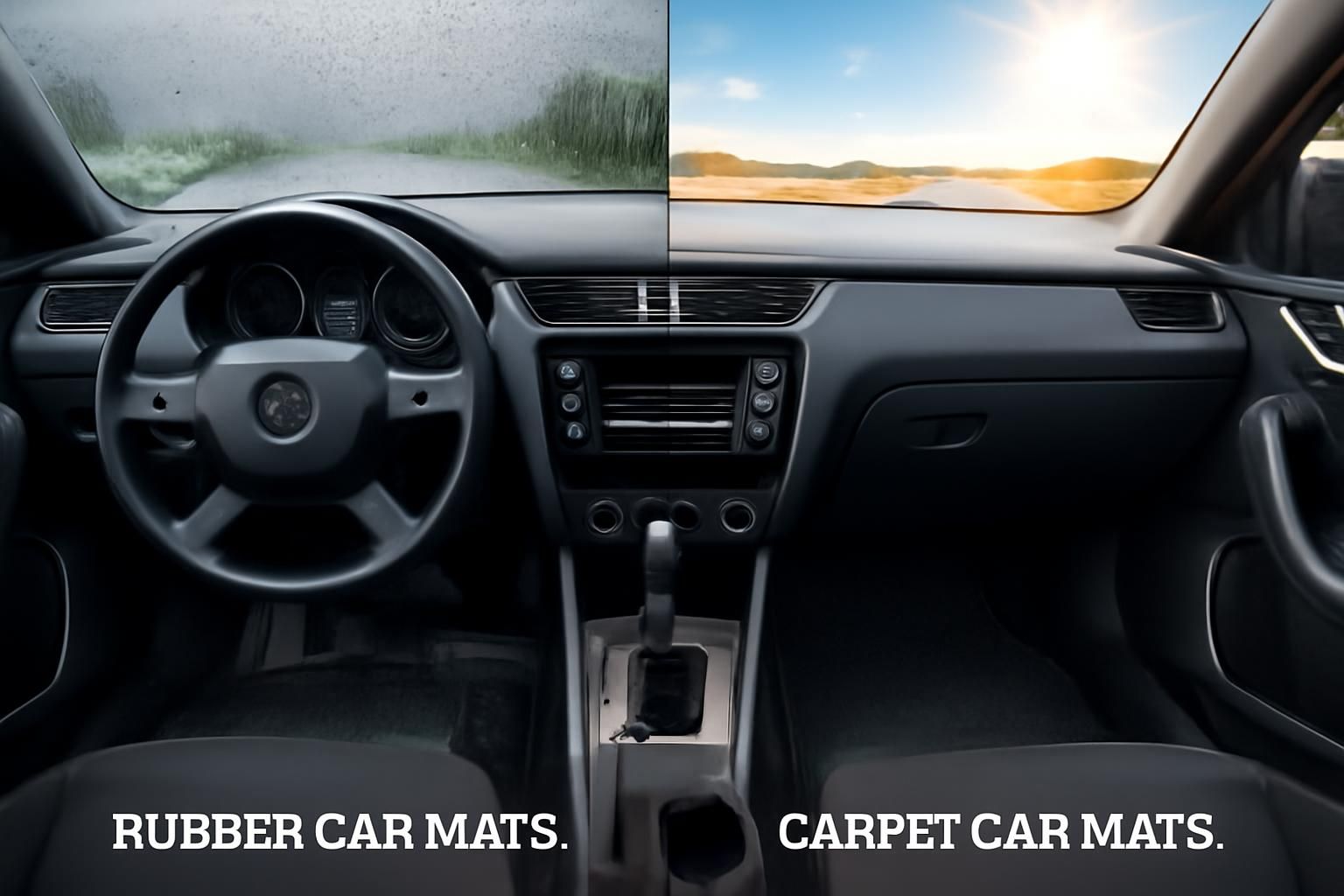
Australia’s vast territory presents multiple climate zones, ranging from tropical to alpine, desert to temperate. Rubber and TPE mats are engineered for all-weather performance, thriving in variable or challenging conditions with resilience to heat, humidity, mud, and even snow in southern states.
For example, Sydney drivers contend with rainy winters and sandy beaches, making the waterproof and easy-to-clean nature of rubber mats invaluable. Conversely, residents in parts of Western Australia with hot, dry summers and minimal rain derive maximum benefit from carpet mats, which offer plush comfort matched to less taxing environmental conditions.
Certain innovations blur the lines, such as dual-layer mats featuring a carpet top for daily comfort and a removable rubber base for heavy-duty protection when needed. Such versatility caters effectively to Australians who experience seasonal extremes or varied driving contexts.
Comfort and Aesthetics: The Case for Carpet Car Mats
Despite the outstanding durability of rubber mats, many drivers prioritize the softer feel and refined look offered by carpet car mats. Carpet mats can be custom embroidered, colour matched to vehicle interiors, and offer underfoot cushioning that enhances driving comfort on long trips or normal commutes.
This aesthetic appeal is particularly important in luxury vehicles or show cars, where interior style and perceived quality play significant roles. While less effective at repelling water and dirt, carpet mats excel in dry, climate-controlled urban environments.
Choosing carpet mats includes trade-offs: the need for careful maintenance, susceptibility to stains, and vulnerability to Australian dust and sand. For these reasons, some drivers adopt a seasonal mat swap to balance protection and comfort, using rubber mats during wet and muddy months and carpet mats during dry, warm periods.
The Final Decision: Which Mat Suits Your Australian Driving Lifestyle?
Ultimately, deciding whether rubber car mats or carpet car mats are better in Australia hinges on balancing factors like local weather, driving habits, and personal preferences for comfort versus protection.
The table below summarizes key comparisons to assist Australian drivers:
| Feature | Rubber / TPE Car Mats | Carpet Car Mats |
|---|---|---|
| Durability | High resistance to wear, cracking, and environmental damage | Moderate – prone to staining, matting, and fading |
| Water Resistance | Excellent – waterproof with deep grooves and raised edges | Low – absorbs moisture, can lead to stains and odors |
| Cleaning Ease | Simple rinse, scrub, and quick drying | Requires vacuuming, stain treatment, and periodic shampooing |
| Comfort and Aesthetics | Functional, industrial look; firmer feel | Soft, plush underfoot with custom color and branding options |
| Ideal Australian Climate | Wet, muddy, sandy, coastal, or alpine regions | Dry, urban, temperate areas |
Whether you prioritize easier maintenance and rugged protection or superior comfort and style, understanding these factors helps Australian drivers select the right mats tailored for their unique driving conditions. Explore comprehensive reviews like those found on CarMatsCulture for deeper insights into this choice.
Maximizing Protection: Tips for Choosing and Using Car Mats in Australia
After choosing between rubber and carpet mats, ensuring they function optimally requires attention to fit and complementary habits. Properly fitted mats exclusively designed for your vehicle model prevent movement and gaps where dirt or moisture might damage the underlying carpet.
Some leading brands offer laser-measured custom-fit solutions explicitly designed for Australian vehicles, improving coverage and durability. Additionally, consider mats with anti-slip backing and raised edges to further guard against spills and sliding.
Alternative innovations include multifunctional mats with removable tops—combining carpet comfort with a waterproof rubber base—ideal for seasonal lifestyle changes.
Avoid placing mismatched or ill-fitting mats as they may interfere with pedal movement, creating safety hazards. Always check for compatibility with your vehicle’s foot pedals when purchasing new mats.
Essential checklist for Australian drivers when selecting car mats:
- Match mats to your primary climate and driving conditions.
- Choose custom-fit mats over universal for better protection.
- Opt for materials that suit your maintenance preferences: quick cleaning or detailed upkeep.
- Prioritize rubber or TPE mats for outdoor, coastal, or rugged use.
- Pick carpet mats if interior style and comfort dominate your requirements.
Innovations and Trends in Car Mat Materials for Australian Markets
The car mat industry in Australia is evolving rapidly. Traditional rubber mats have seen improvements in flexibility, weight, and eco-friendliness via TPE blends. Manufacturers are refining molds to ensure tighter fits, raised edges, and better channel designs for superior debris and liquid containment.
Meanwhile, carpet mats benefit from advanced stain-resistant treatments and customizable design options, including embroidered logos and a variety of color options that suit modern car interiors aesthetically.
Emerging hybrid mats challenge conventional divisions by offering dual-layer technology marrying rubber’s rugged protection with carpet’s luxury feel. This innovation appeals to Australian drivers facing seasonal extremes or mixed usage scenarios.
These material advancements also focus on sustainability, with recyclable TPE mats gaining popularity for reducing environmental impact without compromising on performance or durability.
Where to Buy Quality Car Mats in Australia: Trusted Resources
Finding the best car mats requires guidance and the assurance of genuine, high-quality products suited to Australia’s unique driving conditions. Dedicated retailers and manufacturers provide expert advice and fitment support online and in-store.
Useful online resources include detailed guides and user reviews that help in weighing options. Trusted sources like AutoWin’s comprehensive comparison and the EV Floor Mats Australian guides offer region-specific advice that can refine your selection process.
Many suppliers also offer seasonal sales and warranty policies, improving overall value. Seeking custom-fit mats ensures the best protection and comfort balance for your vehicle and lifestyle.
Are rubber car mats better than carpet mats for Australian weather?
Rubber car mats excel in wet, muddy, and sandy environments typical of many Australian regions, making them more durable and easier to clean. However, carpet mats perform well in dry, urban climates where comfort and aesthetics are priorities.
Can I use carpet car mats year-round in Australia?
Carpet mats are best suited for dry periods or regions with minimal rainfall. In wet or muddy conditions, they can retain moisture and stains, requiring diligent maintenance. Some owners swap to rubber mats during wetter months.
What are the maintenance requirements for rubber versus carpet mats?
Rubber mats need only periodic rinsing and occasional scrubbing, making them low-maintenance. Carpet mats require regular vacuuming, spot cleaning for stains, and sometimes shampooing to avoid odor and wear.
Are custom-fit mats worth the investment?
Custom-fit mats provide superior coverage, preventing damage to underlying carpets and improving safety by staying securely in place. They often last longer and enhance overall protection against Australian weather conditions.
Is there a hybrid option combining rubber and carpet materials?
Yes, some manufacturers offer dual-layer mats with a carpet top and waterproof rubber or TPE base. This allows drivers to enjoy both comfort and rugged protection, especially useful in seasonal climates.